Restore Missing Teeth with a Long-Term, Fixed Solution
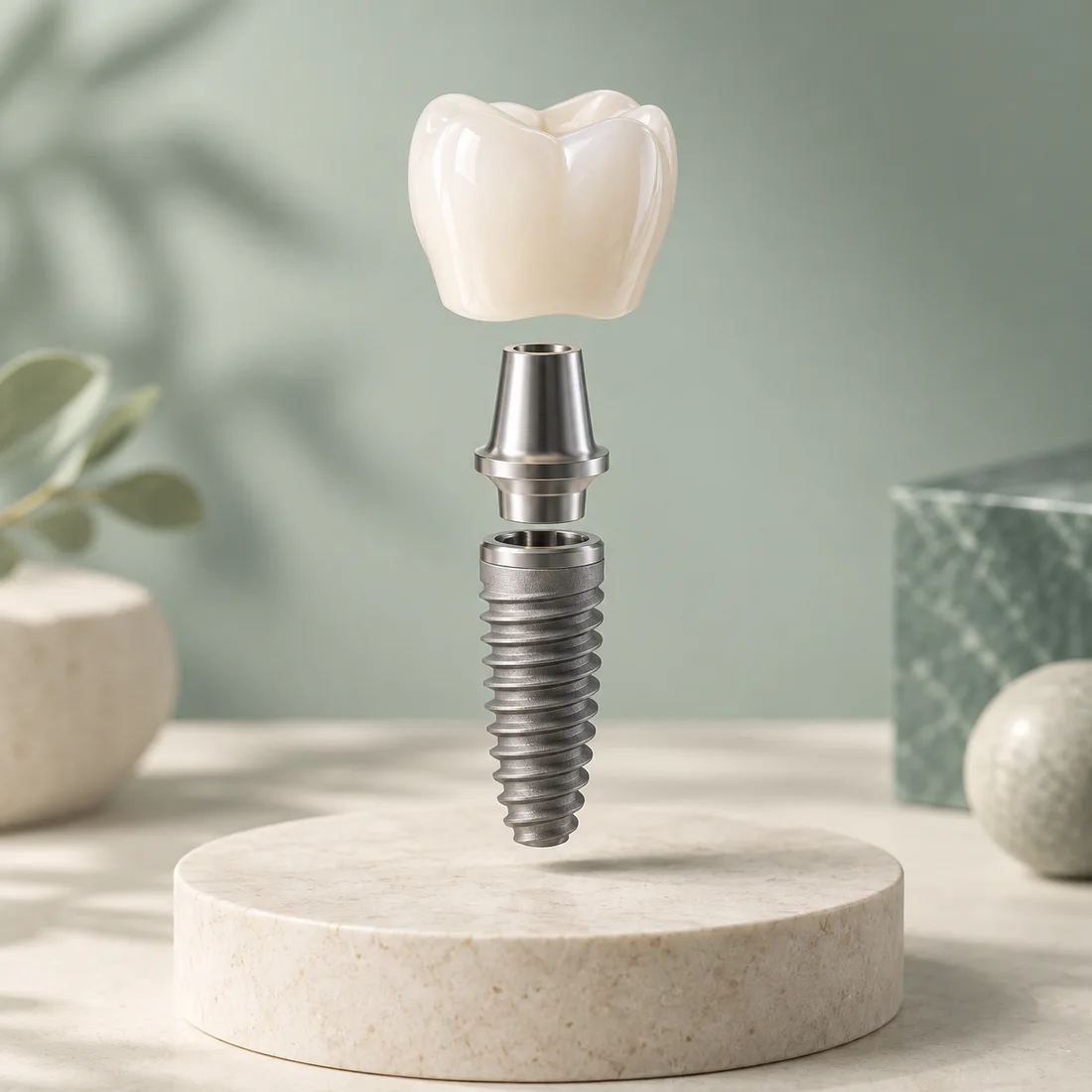
Missing one tooth, several teeth, or an entire set of teeth can affect much more than the appearance of your smile. Tooth loss may influence chewing, speech, bite function, facial appearance, and overall quality of life. Dental implants provide a modern treatment option for replacing missing teeth and can be used for anything from a single missing tooth to comprehensive full mouth dental implant treatment. A dental implant is a small fixture placed into the jawbone to provide support for a replacement tooth or dental prosthesis. Depending on the number of missing teeth and the patient’s individual needs, implants can support a single dental crown, an implant-supported bridge, or a complete fixed dental arch.
For patients who have lost most or all of their teeth—or whose remaining teeth cannot be predictably restored—full mouth implants may offer an alternative to conventional removable dentures. Every implant treatment begins with detailed assessment and personalized planning. Bone structure, gum health, remaining teeth, bite, medical history, aesthetic expectations, and many other factors need to be considered before determining the most appropriate treatment approach. This guide explains dental implants, full mouth implant treatment, the procedure, treatment stages, recovery, potential benefits, risks, maintenance, and frequently asked questions.
What Are Dental Implants?
Dental implants are designed to replace the root portion of a missing tooth and provide a stable foundation for a dental restoration. Most contemporary dental implants are manufactured from biocompatible materials such as titanium or titanium alloys. The implant is surgically positioned within the jawbone. During healing, the surrounding bone can gradually integrate with the implant surface through a biological process known as osseointegration. Once adequate healing and stability have been achieved, the implant can support a prosthetic restoration. Depending on the clinical situation, an implant may support:
- A single dental crown
- An implant-supported bridge
- Multiple replacement teeth
- A removable implant-supported denture
- A fixed full-arch restoration
- Full mouth dental rehabilitation
The appropriate treatment depends on how many teeth are missing, the condition of the remaining teeth, available bone, gum health, bite forces, and the patient’s individual expectations.
What Are Full Mouth Dental Implants?
Full mouth dental implants are used when most or all teeth in the upper jaw, lower jaw, or both arches require replacement. The term does not necessarily mean that an individual implant is placed for every missing tooth. Instead, several strategically positioned implants can be used to support a bridge or complete dental arch containing multiple replacement teeth. Different full-mouth implant concepts are available. Depending on the patient’s anatomy and treatment requirements, a full arch may be supported by four, six, or another clinically appropriate number of implants.
For example, All-on-4 is one specific treatment concept in which a complete arch is typically supported by four implants. Other full-arch approaches may use additional implants according to bone availability, prosthetic design, bite forces, and clinical requirements. Therefore, “full mouth implants” describes a broader category of treatment rather than one specific technique.
Who May Be Suitable for Dental Implants?
Dental implant treatment may be considered for many adults with missing or severely damaged teeth. Potential candidates include people who have:
A single missing tooth, several missing teeth, extensive tooth loss, completely missing teeth, severely damaged teeth, unstable removable dentures, or teeth that have a poor long-term prognosis. However, missing teeth alone do not automatically make someone suitable for implant treatment. A dentist must evaluate several factors before recommending dental implants. These include the quantity and quality of the jawbone, condition of the gums, oral hygiene, bite, remaining teeth, smoking habits, general health, medications, previous dental treatments, and expectations. Certain health conditions and medications may influence healing or require additional precautions. For this reason, a comprehensive dental examination and appropriate diagnostic imaging are essential before implant surgery.
Who May Consider Full Mouth Implant Treatment?
Full mouth dental implants may be considered when tooth loss or dental disease is too extensive to manage predictably with individual restorations. This can include patients who have lost all their teeth, have multiple severely damaged teeth, have advanced dental problems affecting most of the mouth, or experience significant difficulties with conventional dentures. Some patients still have teeth when they first inquire about full mouth implants. In these situations, it is important to determine whether the existing teeth can reasonably be preserved. Extracting natural teeth is irreversible. Therefore, the decision to remove remaining teeth should be based on a careful clinical assessment rather than simply choosing implants as an automatic replacement.
Where natural teeth can be predictably maintained, preserving them may form part of the treatment plan.
Types of Dental Implant Treatment
Dental implants are versatile and can be used in several different ways.
Single Tooth Implant
When one tooth is missing, a single implant can be used to support an individual dental crown. This approach can replace the missing tooth without necessarily using the adjacent teeth as supports for a conventional bridge. The implant replaces the missing tooth root, while the implant crown replaces the visible portion of the tooth.
Multiple Dental Implants
When several teeth are missing, implants can support individual crowns or an implant-supported bridge. It is not always necessary to place one implant for every missing tooth. The number and position of implants are determined according to the size of the gap, bone availability, bite forces, and the design of the final restoration.
Implant-Supported Bridges
An implant-supported bridge uses dental implants as foundations for multiple replacement teeth. This can be useful when several neighbouring teeth are missing. The design of the bridge and number of supporting implants are determined individually.
Full Arch Dental Implants
A full arch dental implant treatment replaces all teeth in an upper or lower dental arch. Several implants are strategically positioned within the jawbone and used to support a complete prosthetic arch. Depending on the case, the restoration may be fixed or removable.
Full Mouth Dental Implants
When both the upper and lower arches require comprehensive rehabilitation, the treatment may be described as full mouth dental implants or full mouth implant rehabilitation. This type of treatment requires particularly detailed planning because the dentist must consider the relationship between both arches, jaw position, bite, tooth dimensions, facial appearance, speech, and chewing function.
How Does the Dental Implant Procedure Work?
Although implant treatment varies between patients, the process generally includes several stages.
1. Initial Dental Consultation
The first stage is a comprehensive examination. The dentist assesses the patient’s teeth, gums, bite, missing teeth, existing restorations, and general oral condition. Medical history is also important. Patients should provide accurate information about health conditions, medications, allergies, previous operations, smoking or tobacco use, and other relevant medical factors. The consultation is also an opportunity to discuss expectations and available treatment alternatives.
2. X-Rays, CBCT and Digital Planning
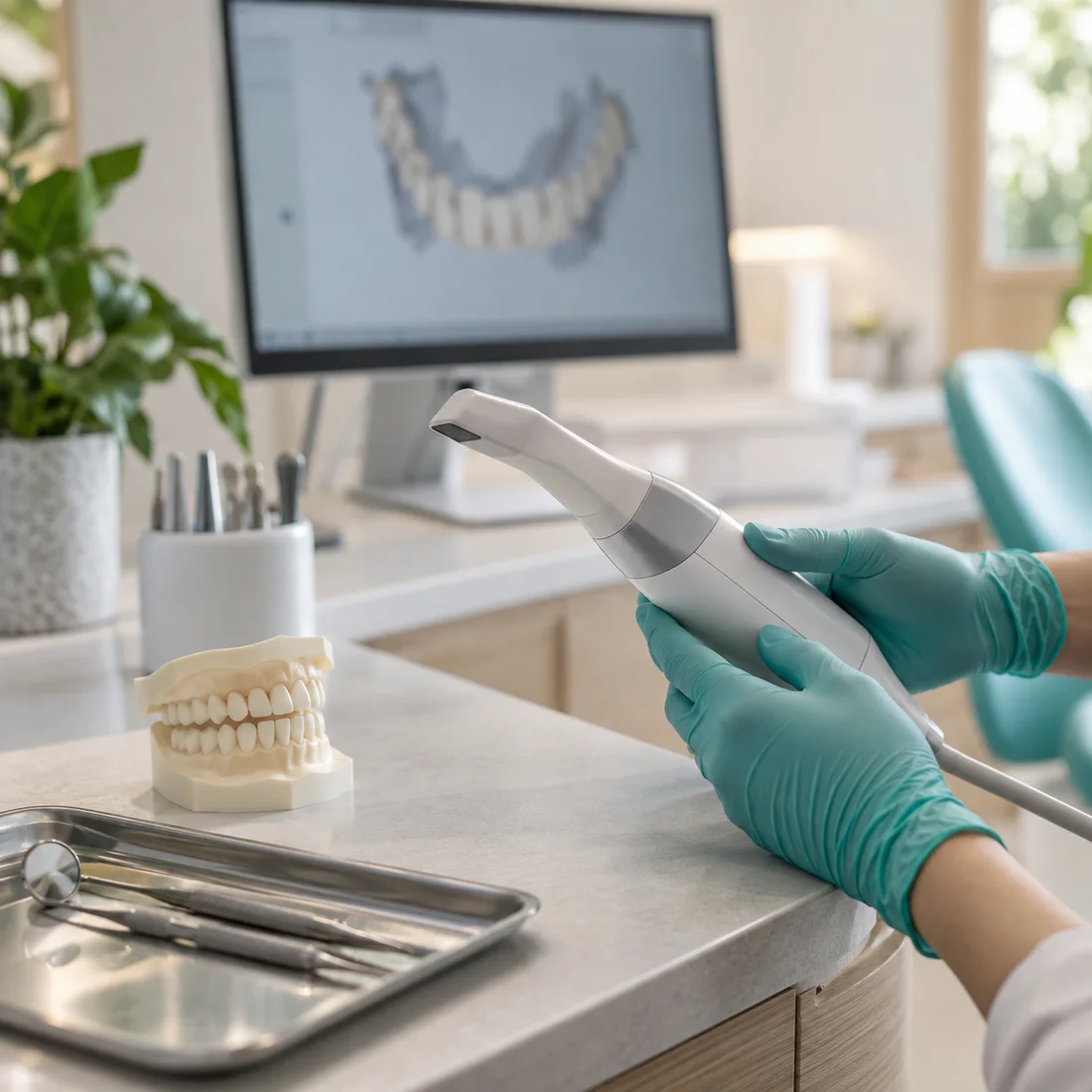
Diagnostic imaging is an important part of implant dentistry. Dental X-rays may be taken, and a CBCT scan may be recommended when three-dimensional assessment is clinically necessary. CBCT imaging can help the dental team evaluate bone dimensions and the position of anatomical structures such as nerves and sinus cavities. Digital scans or impressions of the teeth may also be taken. This information helps determine potential implant positions and assists with planning the final restoration.
3. Tooth Extraction When Required
If severely damaged or failing teeth are present, extraction may form part of the treatment. In certain situations, a dental implant can be placed at the same appointment as a tooth extraction. In other cases, the extraction site may need time to heal before implant placement. The decision depends on factors such as infection, bone condition, soft tissues, implant stability, and the overall treatment plan.
4. Bone Grafting When Necessary
Some patients do not have sufficient bone volume for the proposed implant treatment. Bone loss can occur after tooth extraction, periodontal disease, infection, trauma, or long periods without teeth. When additional bone is required, a bone grafting procedure may be recommended. The type and extent of grafting varies considerably. Not every implant patient requires a bone graft, and not every bone deficiency requires the same procedure.
5. Dental Implant Placement
During implant surgery, the implant is carefully positioned within the jawbone according to the treatment plan. Local anaesthesia is commonly used to control discomfort during the procedure. Additional sedation options may be available depending on the clinic, procedure, and patient’s medical suitability. After placement, the implant may be covered during healing or fitted with a healing component, depending on the surgical approach.
6. Healing and Osseointegration
After implant placement, a healing period is generally required. During this time, bone gradually forms a biological connection with the implant surface. This process is known as osseointegration. The healing period varies between patients. Factors including implant stability, bone quality, surgical procedure, smoking, oral hygiene, health conditions, and the treatment area can influence healing.
7. Temporary Teeth
Patients do not necessarily need to remain without teeth during implant treatment. Depending on the case, temporary teeth may be provided during the healing period. In certain full-arch cases, a fixed temporary restoration may be connected to the implants shortly after surgery if sufficient implant stability and appropriate clinical conditions are present. This is commonly referred to as immediate loading or, in consumer terminology, “same-day teeth.” However, immediate fixed teeth are not suitable for every patient.
8. Final Implant-Supported Teeth
After adequate healing, the restorative stage begins. Digital scans or impressions may be taken to create the final crown, bridge, or full-arch prosthesis. The dental team evaluates tooth position, shade, shape, bite, speech, smile line, hygiene access, and overall comfort. For full mouth treatment, both arches must work together correctly. Careful adjustment of the bite is therefore particularly important.
What Is Full Mouth Implant Treatment Like?
Full mouth implant treatment is more comprehensive than replacing a single tooth. The dentist must consider the entire dental system rather than treating one isolated space. Planning may include:
The upper and lower jaw relationship, bite height, jaw movements, smile line, lip support, tooth size and position, gum appearance, facial proportions, chewing forces, speech, and long-term cleaning requirements. Where remaining teeth require extraction, the treatment plan must also address how temporary teeth will be provided during healing. In suitable cases, extractions, implant placement, and temporary teeth may sometimes be coordinated within a relatively short treatment period. However, biological healing cannot be rushed, and the final treatment schedule should be determined according to the patient’s individual clinical situation.

Benefits of Dental Implants
Dental implants can offer several potential advantages for appropriately selected patients.
Fixed Replacement for Missing Teeth
Implants can support fixed crowns and bridges that remain in position during everyday activities. This can provide an alternative for patients who prefer not to use a removable restoration.
Improved Stability
Because implant-supported teeth receive support from implants positioned in the jawbone, they can provide greater stability than conventional removable dentures for many patients.
Natural Appearance
Implant-supported restorations can be designed to complement the patient’s existing teeth and facial features. Tooth colour, shape, size, proportions, and position can be customized according to the individual treatment plan.
Restored Chewing Function
Missing teeth can make eating certain foods difficult. Implant-supported teeth are designed to restore dental function and may help patients achieve more effective chewing compared with unstable or poorly fitting removable dentures. Individual results vary, particularly during the healing period.
No Need to Replace Every Tooth with an Implant
For patients missing several or all teeth, strategically positioned implants can support multiple prosthetic teeth. This makes full-arch implant rehabilitation possible without placing an implant for every missing tooth.
Full Mouth Dental Implants vs Dentures
One of the most common comparisons patients make is between full mouth dental implants and conventional dentures. Traditional dentures are removable restorations that rest primarily on the gums and underlying tissues. They can provide an effective and relatively non-invasive method of replacing missing teeth, but some patients experience movement, reduced stability, pressure areas, or difficulties during chewing. Fixed implant-supported teeth use implants as foundations. For suitable patients, this can provide increased stability and eliminate the need for the patient to remove the prosthesis every day. However, implant treatment requires surgery and appropriate healing. It also has potential biological and mechanical complications and usually involves greater treatment complexity and cost.
Neither option is automatically appropriate for every patient.
Full Mouth Implants vs All-on-4
The terms Full Mouth Implants and All-on-4 are sometimes used interchangeably online, but they do not mean exactly the same thing. All-on-4 is a specific full-arch treatment concept that typically uses four implants to support a complete dental arch. Full mouth implant treatment is a broader term. A full mouth rehabilitation could involve All-on-4 treatment in both jaws, a different number of implants per arch, implant-supported bridges, individual implants, or a combination of techniques. The appropriate number of implants should be determined according to the patient’s bone structure, bite, anatomy, prosthetic requirements, and risk factors rather than selecting a fixed number before examination.
Are Dental Implants Painful?
Dental implant surgery is generally performed under local anaesthesia to minimize discomfort during treatment. After surgery, temporary swelling, tenderness, bruising, or discomfort can occur. The experience varies depending on the number of implants, whether teeth were extracted, whether grafting was required, the complexity of surgery, and the patient’s individual healing response. Patients should follow the medication and postoperative instructions provided by their dental professional. Unexpected or worsening symptoms should be reported to the treating clinic.
How Long Does Dental Implant Treatment Take?
The total treatment time varies significantly. A straightforward single implant case may have a different timeline from full mouth reconstruction involving extractions, bone procedures, temporary teeth, and multiple implants. Although some patients can receive temporary fixed teeth shortly after implant surgery, the implants still require biological healing. The final restoration is generally provided once the treating team determines that the implants and surrounding tissues are ready. Your dentist should provide an individualized timeline after examination and diagnostic planning.
How Long Do Dental Implants Last?
Dental implants are designed as a long-term solution for missing teeth, but it is not possible to guarantee that an implant will last for life. Long-term implant health depends on factors such as:
- Oral hygiene
- Gum and bone health
- Smoking
- General health
- Bite forces
- Implant positioning
- Prosthetic design
- Regular dental maintenance
The implant itself and the restoration placed on it should also be considered separately. Crowns, bridges, screws, and other prosthetic components are subject to everyday forces and wear. They may require maintenance, adjustment, repair, or replacement over time.
How Should Dental Implants Be Cleaned?
Dental implants require regular oral hygiene just like natural teeth. Plaque accumulation around implants can lead to inflammation of the surrounding tissues and may contribute to implant-related complications. Patients should brush regularly and clean around implant restorations according to the technique recommended by their dental professional. Depending on the restoration, interdental brushes, floss designed for implant restorations, or an oral irrigator may be recommended. Full-arch restorations require particular attention because food and plaque can accumulate underneath the prosthesis. Regular professional examinations and hygiene appointments remain important even if all natural teeth have been replaced.
Risks and Possible Complications of Dental Implants
Dental implant treatment has potential risks and complications like any surgical and restorative procedure. These can include infection, bleeding, swelling, delayed healing, implant failure, inflammation around the implant, bone loss, gum recession, loosening of prosthetic components, fracture of restorative materials, and bite-related complications. Additional risks may exist depending on implant location, anatomy, medical history, and whether other surgical procedures are required. Careful treatment planning and ongoing maintenance can help manage risk, but complications cannot be completely eliminated. Patients should receive individualized information regarding benefits, limitations, risks, and alternative treatments before proceeding.

Dental Implants Abroad
Patients considering dental implants abroad should evaluate more than treatment price alone. Implant treatment involves surgery, prosthetic dentistry, laboratory work, healing, and long-term maintenance. Important factors to consider include the qualifications and experience of the treating dental professionals, diagnostic procedures, implant system, prosthetic materials, laboratory standards, sterilization protocols, treatment schedule, postoperative care, and arrangements for future maintenance. Patients should also understand what happens if an adjustment, repair, or additional treatment becomes necessary after they return home. Clear communication and written treatment documentation can be particularly important when receiving complex dental treatment overseas.
How Much Do Dental Implants Cost?
The cost of dental implants depends on the complexity and extent of treatment. Factors that may influence the total cost include:
- Number of missing teeth
- Number of implants
- Single-tooth or full-mouth treatment
- Tooth extractions
- Bone grafting or additional surgery
- Implant system
- Temporary restorations
- Final prosthetic materials
- Diagnostic imaging
- Sedation when required
- Laboratory procedures
- Follow-up care
For full mouth implant treatment, cost can also vary according to whether one or both arches are treated and the number of implants used to support each restoration. An accurate quotation should therefore be based on a personalized examination and treatment plan.
Book Your Dental Implant Consultation
Whether you need to replace one missing tooth, several teeth, or an entire smile, dental implants can provide several treatment possibilities. For patients with extensive tooth loss or severely compromised teeth, full mouth dental implants may offer a fixed alternative to conventional removable dentures. However, there is no single implant treatment that is ideal for every patient. A comprehensive consultation allows the dental team to evaluate your teeth, gums, jawbone, bite, medical history, and individual expectations. Following clinical examination and diagnostic imaging, a personalized treatment plan can explain the recommended number of implants, type of restoration, treatment stages, estimated timeline, alternative options, potential risks, and costs.
Contact our dental clinic to schedule your dental implant consultation and discover which implant treatment options may be suitable for your smile.
The information on this page is intended for general educational purposes and does not replace a clinical examination, diagnosis, or personalized advice from a qualified dental professional.